 Image 1 of 2
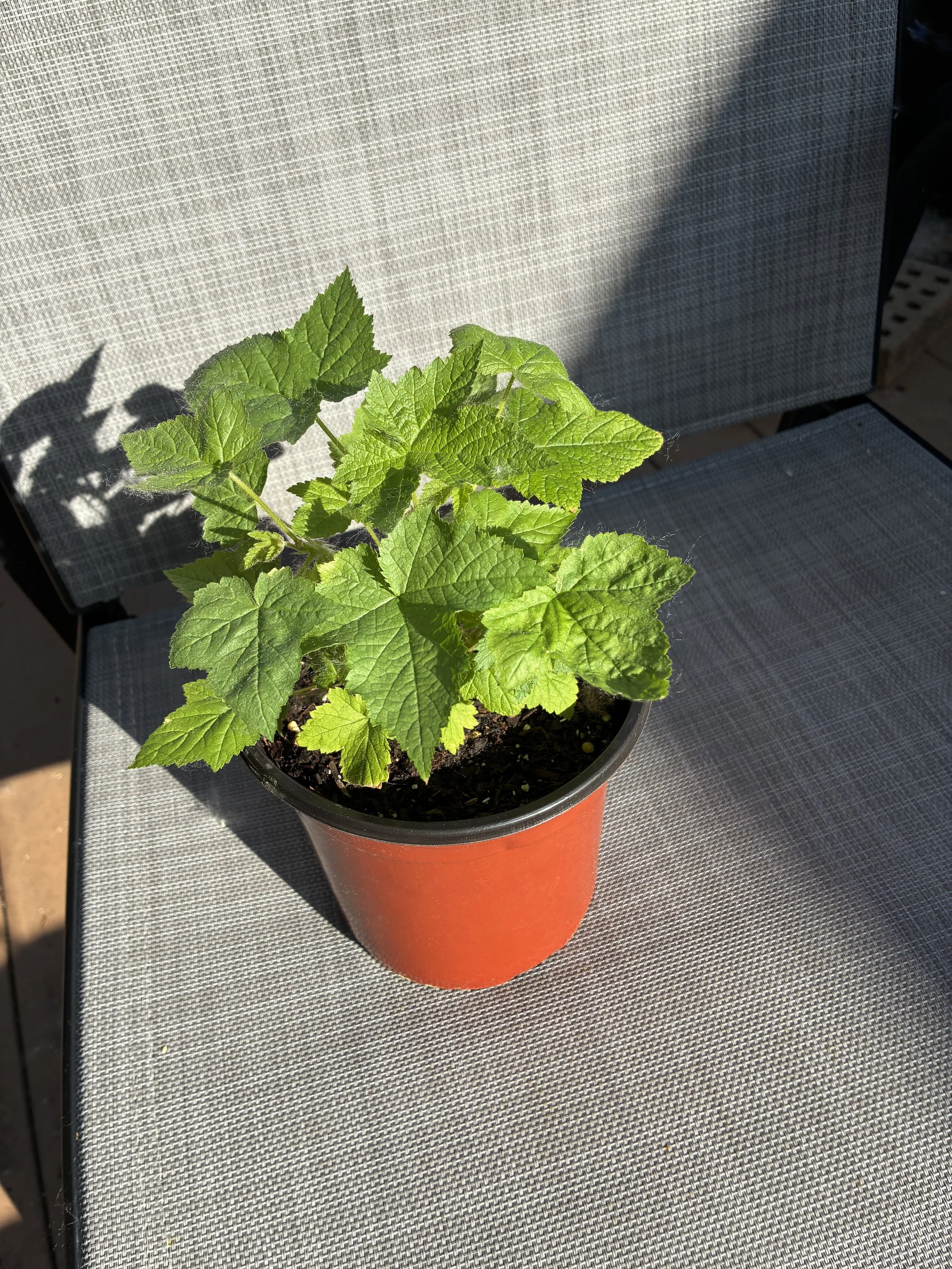 Image 2 of 2
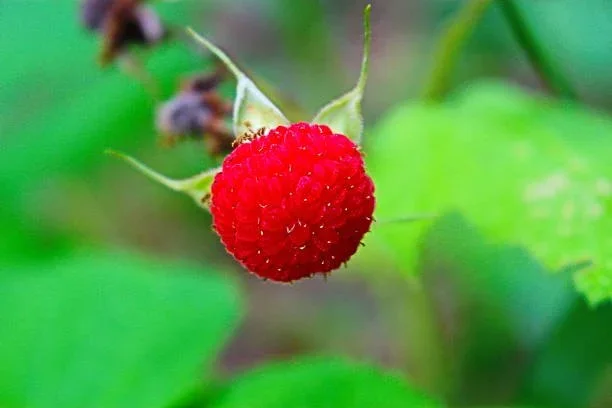
The Eastern thimbleberry is a native to almost the entirety of North America East of the Mississippi River. The plant also gets it’s latin name, Rubus odoratus, from a combination of the lovely pine/cedar smell the foliage has and the rose smell the flowers have. This plant also lacks thorns, like its close cousin the Western thimbleberry. This plant also has very similar fruits to the Western thimbleberry with a similar flavor.
Unfortunately, this plant is still considered endangered throughout much of its range, like Indiana and Wisconsin. However, this plant was removed from Illinois’ Endangered Species List in October of 2025.
Care requirements:
Growing zone: 3-7
Sun requirements: Full sun to partial sun
Pollination: Self-fertile
Water: Consistent moisture, without water-logged soil
Soil: Fertile, wide-range of pH
Size: 8’x8’
Over-wintering: No care needed
The Eastern thimbleberry is a native to almost the entirety of North America East of the Mississippi River. The plant also gets it’s latin name, Rubus odoratus, from a combination of the lovely pine/cedar smell the foliage has and the rose smell the flowers have. This plant also lacks thorns, like its close cousin the Western thimbleberry. This plant also has very similar fruits to the Western thimbleberry with a similar flavor.
Unfortunately, this plant is still considered endangered throughout much of its range, like Indiana and Wisconsin. However, this plant was removed from Illinois’ Endangered Species List in October of 2025.
Care requirements:
Growing zone: 3-7
Sun requirements: Full sun to partial sun
Pollination: Self-fertile
Water: Consistent moisture, without water-logged soil
Soil: Fertile, wide-range of pH
Size: 8’x8’
Over-wintering: No care needed